What Roof Replacement Involves on a Denver Home
A full replacement means removing every layer down to the roof deck, including shingles, felt, and any failed underlayment, then rebuilding the system from the sheathing up. Nothing stays except the framing, unless the decking itself has failed.
- The roof deck is usually half-inch OSB or plywood sheathing, and we check it panel by panel, so soft spots or water staining mean that board comes out.
- Ice-and-water shield runs along the eaves, valleys, and any low-slope section, because ice dams form exactly where meltwater refreezes at the eave.
- Synthetic underlayment covers the field where the ice-and-water shield stops, replacing old roofing felt and tar paper that crack and flake with thermal cycling.
- Drip edge is fastened along every rake and eave so runoff leaves the fascia instead of wicking back into the sheathing.
- A starter course and staggered field courses of architectural shingles follow, face-nailed or hand-sealed to the manufacturer's written spec.
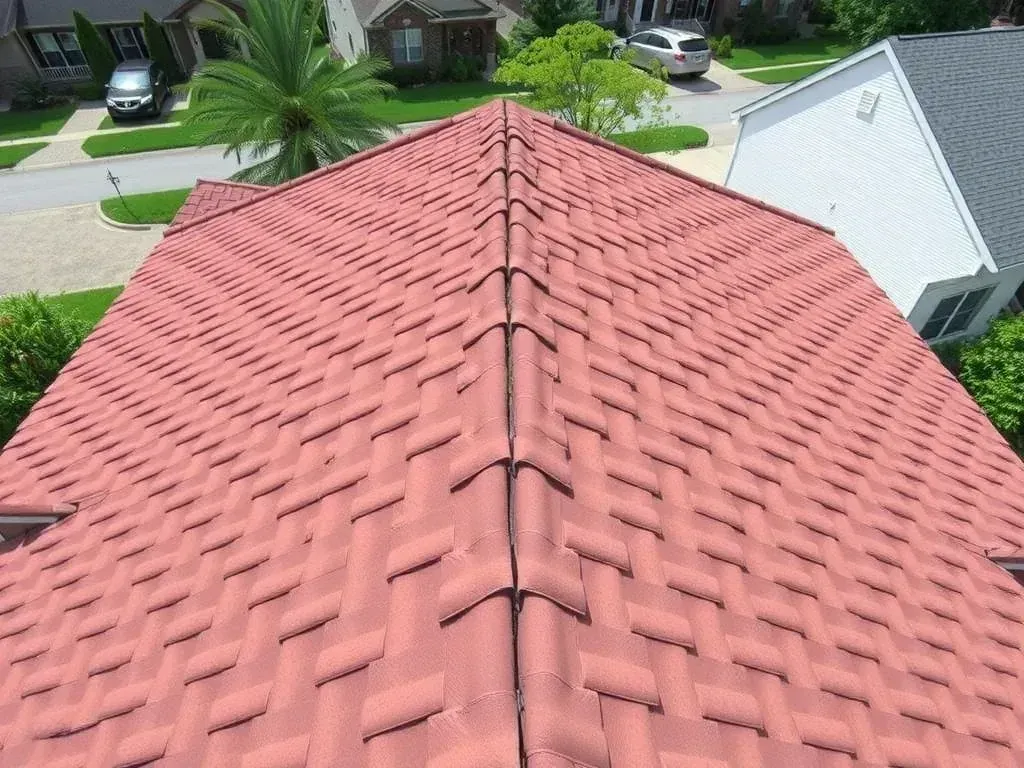
- Ridge caps close each hip and ridge line, and ridge vents replace old pop vents so ventilation moves attic heat and moisture out of the insulation.
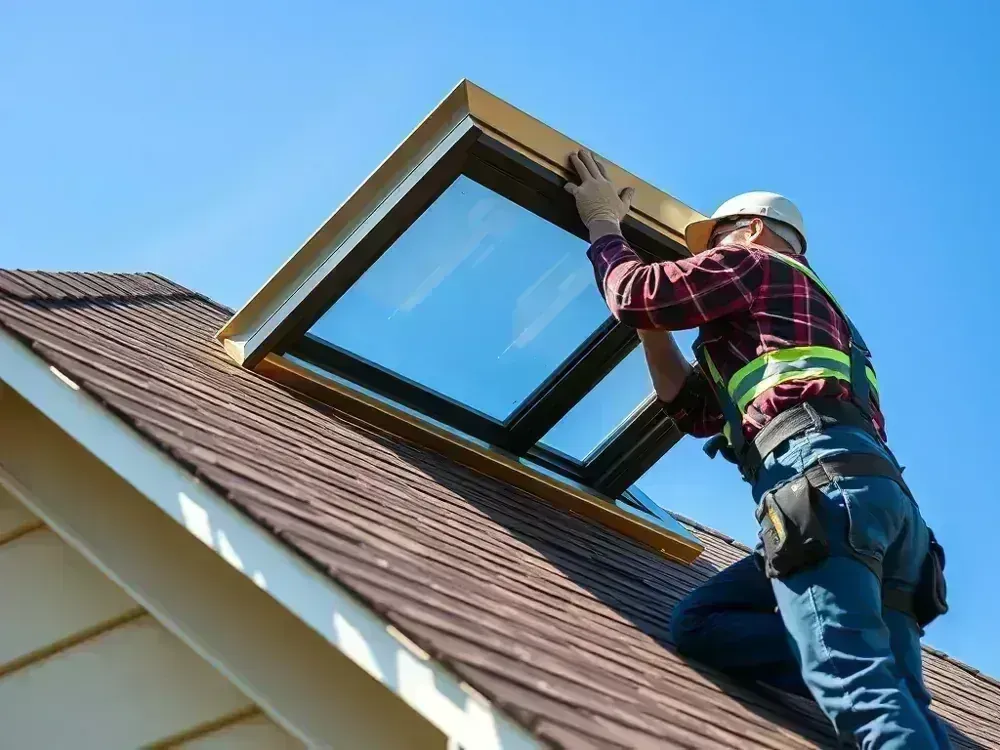
- Step flashing, counter-flashing, chimney flashing, and pipe boots get replaced wherever the plane changes at a skylight, dormer, or chimney.
Fasteners matter as much as the shingles on a Colorado roof. We set ring-shank nails long enough to bite through new underlayment into solid decking, because wind uplift at the roofline is what peels a system apart after a spring storm.
Signs You Need a Full Replacement, Not a Patch
Repairs handle isolated damage. When several of the conditions below show up across three or more slopes, replacing the roof usually costs less than repeated patches over the next decade.
- Granules collect in the gutter and downspout outlets, a sign the asphalt shingle surface is thinning toward end-of-life wear.
- Shingles curl or lose their seal after thermal cycling splits the mat and UV degradation dries the asphalt.
- Hail bruising shows up as soft dents, and impact cracking opens the shingle so water can wick into the underlayment.
- Attic staining, mold, or a drip during a January melt means water has already reached the decking.
- The ridge sags or a roof plane settles, which points to rafter, joist, or ridge beam movement under the sheathing.
- Daylight shows through the roof deck, or fastener heads sit exposed, so the substrate is no longer protected.
Roofs age faster here than the national average. Hailstorms with marble-sized hail knock granules loose, and high-altitude UV keeps working on the asphalt binder long after the storm has passed.
Our Roof Replacement Process, Step by Step
Most homes take one to three days from tear-off to final cleanup, weather permitting. Steep pitch, hidden rot, or a permit review can stretch that, and we tell you before we start rather than after.
- A roof inspection with photographs of the deck, flashing, and any soft sheathing, followed by a written roof estimate.
- Permit pull, since Denver building code treats a replacement of more than half the roof area as new work.
- Landscaping protection, a dumpster in the drive, and material staged so debris stays contained.
- Tear-off with roofing shovels and pry bars, worked in sections so the building is never fully open to the sky.
- Deck repair: rotted, delaminated, or overdriven panels come out and new ones are fastened to solid framing.
- Install ice-and-water shield, synthetic underlayment, drip edge, and valley metal before a single field course goes down.
- Fasten courses with a nail gun, cut a clean verge at each gable, and stagger joints so no four corners meet.
- Seal transitions with mastic or roof cement, then confirm pipe flashing, apron flashing, and boot flashing are seated.
- Final magnetic sweep for nails and screws, debris haul-out, and warranty registration.
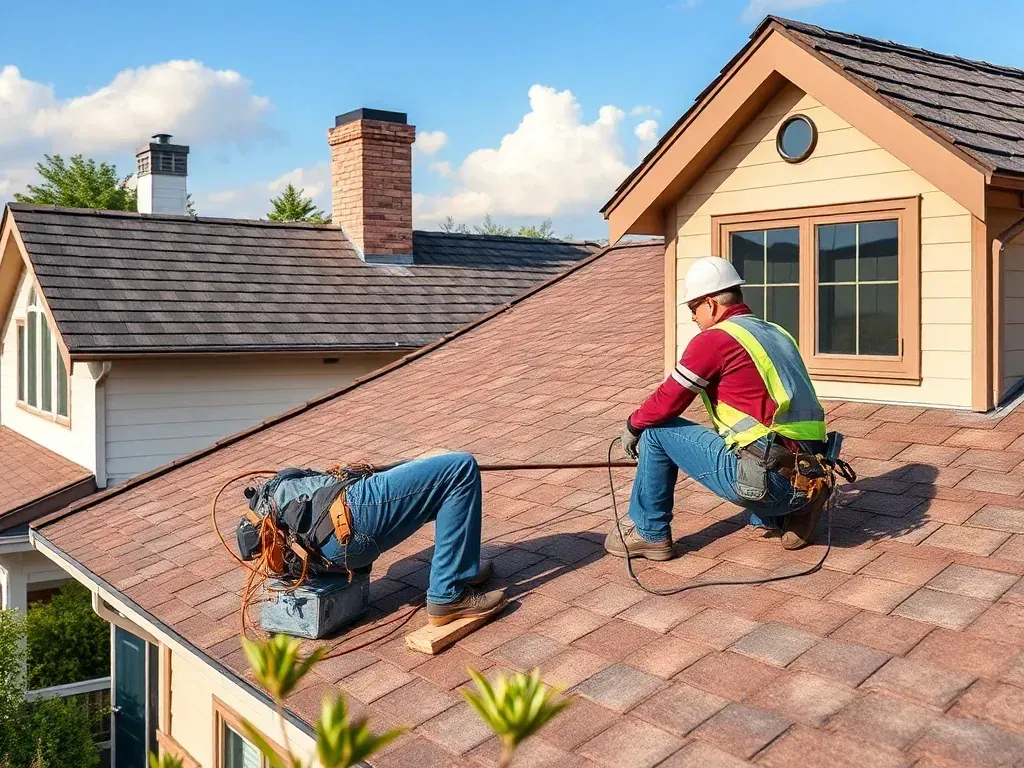
Crews work from ladders and scaffold with a safety harness, and the air compressor and nail gun stay on the roof instead of trailing cords across finished shingles. A roofing square covers 100 square feet, so a 2,000-square-foot footprint takes roughly 20 squares before cut-offs and waste.
What a Replacement Costs in Denver
Most residential jobs land between $450 and $850 per square installed, which puts a typical 2,000-square-foot ranch near $9,000 to $17,000. Pitch, access, and how much decking has failed move that number more than the shingle brand does.
- Tear-off and dump fees are priced per square, and a second layer to strip adds labor.
- Deck replacement is billed per sheet of OSB or plywood wherever rot or decay turns up.
- Steep pitch, dormers, and skylights slow the crew and raise the labor line.
- Upgrading to Class 4 impact-rated shingles costs more up front and may earn a hail discount on your policy.
- Gutter and downspout replacement is cheaper while the roof is already open than as a separate visit.
We hand you the estimate in writing, line by line, with no allowance games. If a deck issue turns up mid-job, you get photos and a revised number before we proceed.
Warranty and Insurance Claims
Every system we install is registered with the manufacturer, so the material warranty starts at installation rather than the day the bundle left the plant.
- Architectural shingle warranties commonly run 25 to 50 years and cover manufacturing defects.
- Workmanship coverage is separate from the material term, and we put ours in writing.
- For storm damage, we document the inspection with photographs and mark the storm date on the file.
- We meet your adjuster on the roof, compare the carrier's scope against a line-item estimate, and file a supplemental claim if hidden damage appears.
- Emergency roof repair and tarping are available when a leak is active and a full replacement has to wait on the claim.
Materials and Details That Decide Longevity
Slope, budget, and hail exposure drive material choice. Shingles cannot go on a flat section at all, so low-slope areas get a membrane system instead.
- Three-tab shingle is the lightest and shortest-lived option, which is why we rarely recommend it in hail country.
- Architectural shingle from GAF Timberline, Owens Corning Duration, or CertainTeed Landmark carries 25 to 50-year ratings.
- Standing-seam panel and corrugated metal panel shed hail and last decades, at a higher cost per square.
- Wood shake and cedar shake suit historic homes and need more upkeep than any shingle.
- Slate, clay tile, and concrete tile outlast everything, though most local framing needs an engineer's review before that weight goes on.
- Flat roofing uses a single-ply membrane such as TPO, EPDM, or PVC membrane, or a built-up roof of bitumen and reinforcing ply.
- Torch-applied modified bitumen still works well at parapets and small canopies, where we also renew coping and scupper drains.
Accessories finish the system. Snow guards and anchors protect walkways below steep metal, a vapor barrier and soffit vent keep the deck dry from underneath, and counterbattens lift metal panel so condensation can drain away.
On older frames, purlins and battens stiffen rafters that have sagged, and a truss that has moved needs addressing before new shingles go on. Sealant, caulk, and adhesive are used only where the manufacturer specifies them.
Metal and tile assemblies also carry the sustainability argument, since a standing-seam roof can be recycled after a long service life. Better attic ventilation remains the cheapest energy efficiency upgrade a roof allows, and an attic fan without a soffit vent just pulls conditioned air out of the house.
Why Denver Roofing Team for Roof Replacement in Denver
We work at 5,280 feet, which shapes every recommendation we make. A shingle rated for 25 years in a milder climate does not last 25 years under this sun and this hail.
- Roofs across Capitol Hill, Five Points, Cherry Creek, Washington Park, and Highland see different exposure, from Victorian bungalows with dormers to post-war split-levels with wide overhangs.
- The 2017 hailstorm caused more than $2 billion in damage across the metro, and this area still gets marble-sized hail most springs.
- Sudden temperature swings drive ice dams at the eave, which is why ice-and-water shield is standard on every job here, not an upgrade.
- Intense UV at altitude erodes shingle surfaces years ahead of schedule, so underlayment choice and ventilation matter more here.
- Wildfire-prone edges of the metro may call for Class A fire-rated assemblies, and IRC underlayment rules key off slope and deck type.
Steep gables, mansard and gambrel profiles, an awning or canopy over a side door, each one changes how water leaves the roof. Waterproofing at every penetration and weatherproofing at every transition is the whole job.
As a roofing contractor working this metro year-round, we watch how one storm treats a west-facing rooftop differently than a north-facing one. A roofer who cuts corners on flashing is the one you call back two winters later. We are licensed and insured, we pull permits, and we put the price in writing.
Signs You Need Roof Replacement
Missing or Loose Shingles
Lifted and absent shingles let the next storm drive water straight into the underlayment. Wind uplift at the roofline loosens them first, usually on the west-facing slope.
Granules in the Gutters
Asphalt granules washing into the gutter and downspout mean the shingle surface is thinning toward end-of-life wear. Once the mat is exposed, UV degradation speeds up fast at this altitude.
Hail Impact Cracking
Marble-sized hail bruises shingles and cracks the mat, and the damage often hides until the granules wash away months later. An inspection after a spring storm is the only reliable way to find it.
Thermal Cycling Splitting and Curling
Denver swings forty degrees between afternoon and midnight, and that flexing splits and curls older shingles. Curled edges catch wind and peel back in sheets.
Ceiling Stains or Drips
Brown rings on a ceiling mean water has already reached the decking and insulation. By the time you see it inside, the leak has usually been working for a season or more.
Ice Dam Backup
Meltwater refreezes at the eave, backs up under the shingles, and can wick through worn underlayment into the sheathing. Ice-and-water shield at the eave is the defense against it.
What's Included
- ✓ A free roof inspection with a photo damage report you keep, whether or not you hire us
- ✓ Permit pull and inspection scheduling, since replacing more than half the roof area requires a permit
- ✓ Full tear-off, dumpster placement, and haul-away of every old shingle load and debris pile
- ✓ Decking repair priced per sheet when OSB or plywood sheathing has rotted
- ✓ Ice-and-water shield at eaves and valleys, synthetic underlayment across the field, new drip edge and flashing
- ✓ Manufacturer warranty registration filed in your name the week the job closes
- ✓ Final cleanup with a magnetic nail sweep of the lawn, driveway, and planting beds
Related Services
Ready to get started? Call us today at 7207840657 for a free estimate.
☎ Call 7207840657