What Metal Roofing Involves
Metal roofing begins with a full tear-off down to the roof deck, because panels need a flat, sound substrate. We sound the plywood or OSB sheathing with a pry bar and replace any board that has gone soft from rot.
Then we roll synthetic underlayment across the field and set an ice-and-water shield along the eaves and valleys, where meltwater refreezes and works uphill under the lap.
Panel choice drives the rest. This is what we install most often:
- Standing-seam panels in 24-gauge steel with a Kynar 500 finish, roll-formed on site and locked over concealed clips so the field of the roof carries no exposed fastener.
- Exposed-fastener panels, often called corrugated panel or 5-rib, where gasketed screws drive through the metal into battens. They cost less per square, and the washers fail first.
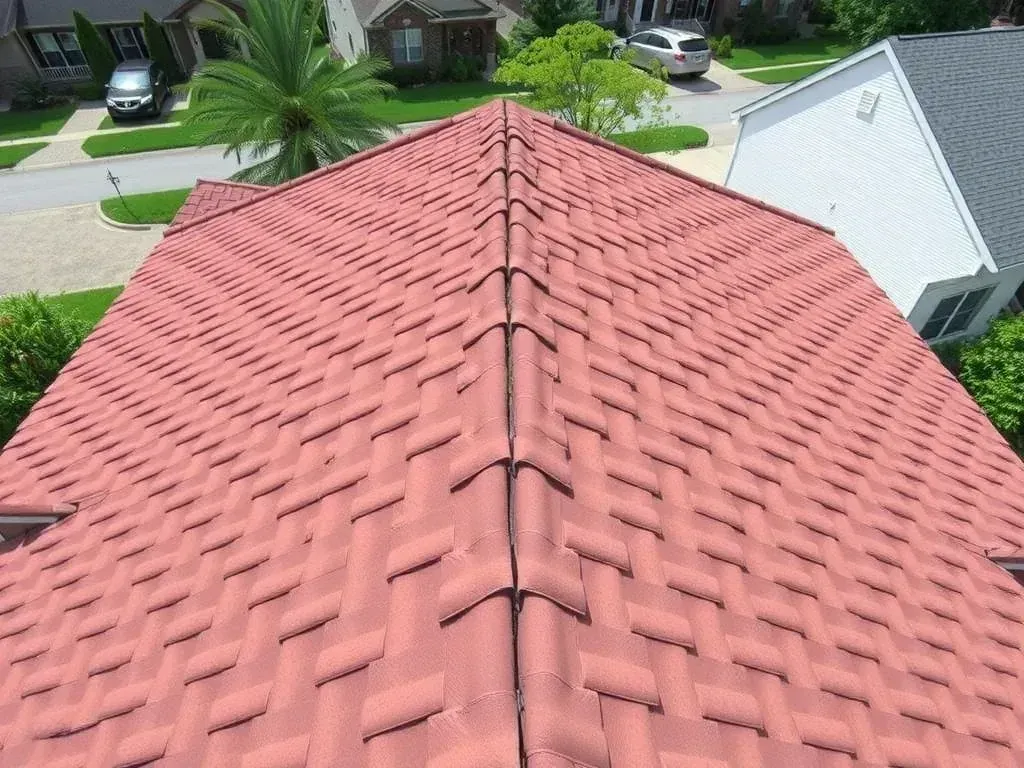
- Stone-coated steel from Decra, which presses a granular surface onto steel so the roof reads like cedar shake or clay tile from the curb while weighing a fraction of slate.
- Aluminum panels for homeowners who want a lighter sheet that will not rust, finished in mill or a painted color.
- McElroy Metal and ATAS both build standing-seam systems we install, and gauge, panel width, and finish get matched to your pitch and snow load.
Trim is where most panel roofs leak. We fabricate drip edge at the eave, step flashing and counter-flashing at sidewalls, chimney flashing at the stack, and apron flashing where a lower roof ties in.
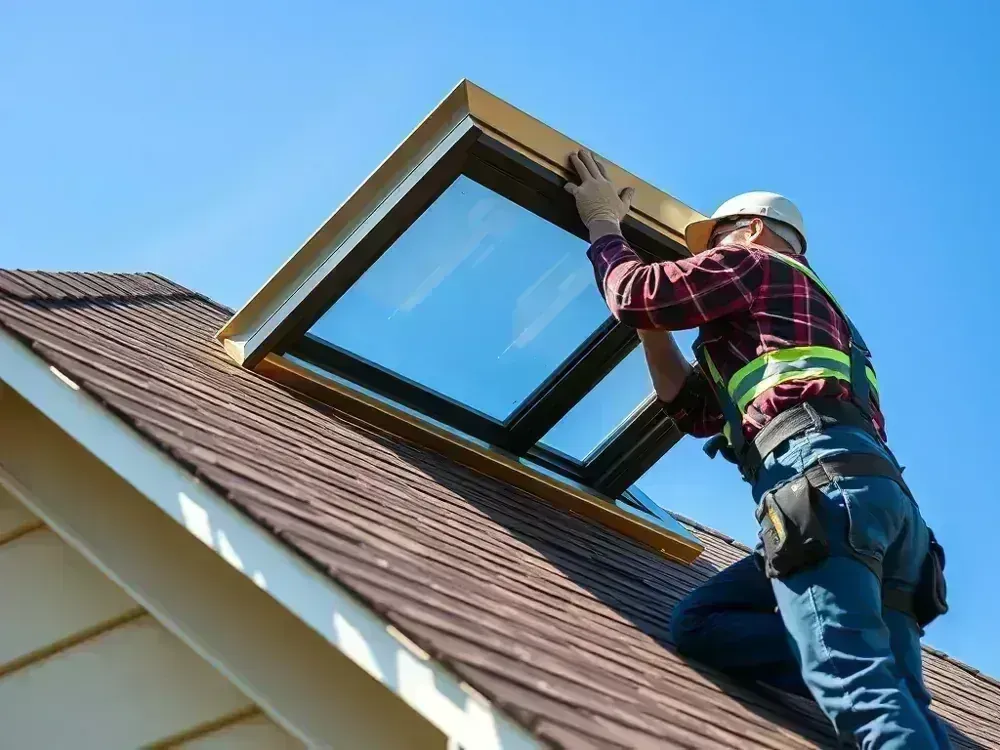
Pipe boots, vent boots, skylight curbs, and dormer cheeks each get their own formed metal instead of a smear of mastic or roof cement. A small canopy over a side door or an awning over a porch gets the same custom trim.
Ventilation and insulation matter as much as the metal itself. A ridge vent at the peak and soffit vents in the soffit keep the deck dry, and an attic fan moves the heat that builds under a steel panel in July.
- A ridge cap closes the ridge and hides the vent, while snow guards above a walkway keep a sliding snow slab off your steps.
- Roofing felt or tar paper gets replaced with synthetic underlayment, because felt tears and holds moisture against the deck.
- Concealed clips and a counterbatten give the panel a drainage plane so the steel can move with temperature instead of fighting it.
- Boot flashing seals the pipe flashing at a vent stack, and a boot that cracks in the cold is the leak we find most often.
- A vapor barrier keeps warm interior air from condensing on the underside of a panel and rusting it from within.
Waterproofing the whole assembly and weatherproofing each penetration is the actual job. Denver County also requires a permit for a full replacement, and the building code calls for engineered stamped drawings whenever a structural change is involved.
Signs You Need a Metal Roof
Panels fail slowly and quietly, so the symptoms are easy to miss from the ground. What we look for is usually a specific fastener, a flashing detail, or a coating that has given up.
- Chalking or fading on the finish, which means the PVDF or SMP coating has begun to oxidize under high-altitude UV.
- Rust at the cut edges and laps, where water wicks under the lap and corrodes the steel from inside.
- Loose, backed-out, or overdriven screws at the overlaps of an exposed-fastener panel.
- Oil-canning, the rippling across the flat of a panel after heavy snow load or a hard temperature swing.
- Dents and creases from marble-sized hail that fractured the paint or the zinc coating.
- Ice dams lifting panel edges and seams so meltwater seeps back under the lap, with staining on the attic sheathing below.
Two or three of these together usually point to end-of-life wear. One on its own may be a repair we can mend in an afternoon.
Our Metal Roofing Process, Step by Step
Every job follows the same sequence, and you get the numbers in writing before we schedule a crew.
- Roof inspection and roof estimate: we measure, check the pitch, photograph the deck, and take moisture readings in the attic.
- Line-item estimate: panel type, gauge, finish, flashing details, and dump fees priced separately so you can see what each decision costs.
- Permit pull in Denver County, plus engineered stamped drawings when the structure changes.
- Tear-off: the crew strips the old roofing with a roofing shovel and pry bar and runs the debris into a dumpster on the driveway.
- Deck repair: we check the truss and rafter tails, the joists, and the ridge beam for sag, then replace rotted sheathing and any spongy decking.
- Underlayment and flashing: drip edge at the eave and the verge, ice-and-water shield in the valley, step flashing at every sidewall.
- Panel installation: a roofing square and chalk line set the layout, the nail gun runs off the air compressor, and every metal panel fastens at the purlin line.
- Final detailing: ridge cap, snow guards, a gutter and downspout run where needed, and a magnetic nail sweep of the yard.
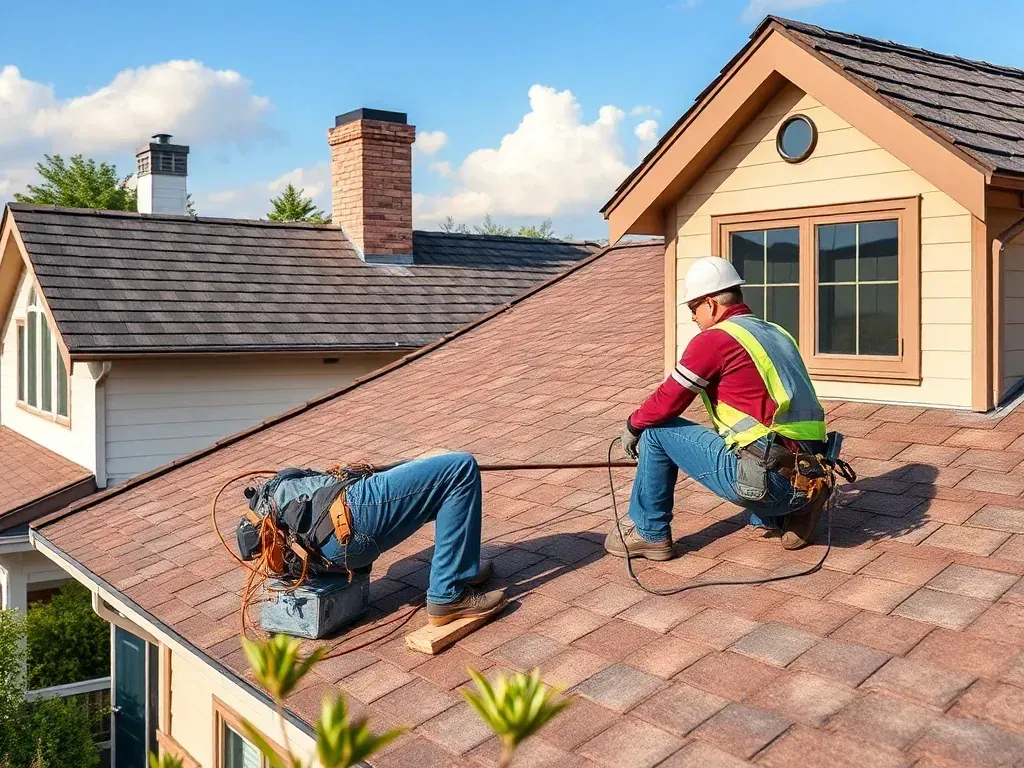
We work off ladders with a safety harness anchored above the eave on anything steep, and we hand-seal or use an adhesive bead at each penetration rather than leaning on caulk and sealant alone.
What Metal Roofing Costs in Denver
Most Denver homeowners see $9 to $16 per square foot installed, or roughly $900 to $1,600 per square. A square covers 100 square feet, so a 2,000-square-foot ranch roof is a 20-square job. Exposed-fastener panels sit at the low end; standing seam sits at the top.
- Pitch and geometry, since a simple gable prices lower than a roof cut up with hips, valleys, dormers, or a gambrel section.
- Penetrations, because a skylight, chimney, or a cluster of pipe boots adds formed metal and labor hours.
- Deck condition, including sheathing, fascia, and any rot we uncover after tear-off.
- Layers to remove, since old felt, tar, or a modified bitumen membrane adds weight and disposal cost.
- Access for the ladder, scaffold, and dumpster, plus whether the overhang leaves room to stage them safely.
Warranty, Insurance, and Hail Damage
We register the manufacturer warranty in your name after the final walkthrough, and we put our own workmanship terms in writing before the first panel comes off the truck. Finish warranties on PVDF coatings commonly run 25 to 40 years, and the steel outlasts that.
If hail or wind opens a claim, we handle the paperwork side: damage documentation, a line-item estimate in the format adjusters read, and a meeting at the adjuster inspection. When a scope misses something the roof actually needs, we file a supplemental claim with photos.
One honest limit. On a low-slope section under a 3:12 pitch, a TPO, EPDM, or PVC membrane holds up better than a panel, and a modified bitumen or built-up roof torch-applied at the seams often costs less.
Why Denver Homeowners Call Denver Roofing Team
Denver sits at 5,280 feet, and that changes the specification. UV is stronger up here, so a thin finish chalks early, and snow load plus rapid temperature swings mean clips have to allow movement instead of locking a panel down hard.
We are licensed and insured, we pull permits in Denver County, and we build to IRC 2021 Section R905.4 for snow retention. Mid-century brick ranches and post-war split-levels each take a different flashing approach along the roofline, and we have watched the same shortcuts fail on both.
Call 720-784-0657 and a roofing contractor from our crew will walk the roof, show you the photos, and price the work. If an architectural shingle or asphalt shingle roof is the smarter buy for your house, we will tell you that instead.
FAQ: Metal Roofing Questions We Hear Most
How long does a metal roof last in Denver?
A standing-seam roof here routinely lasts 40 to 50 years, and the frame under it usually outlasts the roof. High-altitude UV will fade a thin paint finish long before the steel gives out, which is why we spec PVDF.
Can you install panels over existing shingles?
We will not overlay or recover panels over old asphalt shingle or three-tab. Panels need a flat substrate and a solid deck, and covering decay hides rot until it reaches the truss.
Is metal worth it compared to architectural shingles?
Architectural shingle, wood shake, and concrete tile all cost less up front and need attention again in 15 to 20 years. A standing-seam roof costs more today and typically does not get replaced again, which is the tradeoff any roofer should explain plainly.
Signs You Need Metal Roofing
Chalked or Faded Finish
Intense UV at altitude breaks down paint long before the steel fails. When the surface turns chalky or the color washes out, the coating is the first layer going.
Rust at Laps and Cut Edges
Water wicks under a panel lap and corrodes from the inside, so rust you spot at an edge usually started somewhere else. Untreated cut edges show it first.
Loose Screws at the Overlaps
Expansion and contraction cycles loosen fasteners on exposed-fastener panels, and a backed-out screw leaves a gasket that no longer seals. That is usually a repair, not a replacement.
Oil-Canning Across the Flat
Snow loading causes panel oil-canning, the rippling you see across the flat of a standing-seam panel. It can be cosmetic, or it can mean clips were set too tight.
Hail Dents and Fractured Coating
Marble-sized hail fractures paint and zinc coatings, and the bare steel underneath starts to rust by the following spring. We photograph every strike for the insurance file.
Ice Dams Lifting Seams
Sudden temperature swings cause ice dams that lift panel edges and push meltwater back under the lap. An ice-and-water shield at the eave keeps it off the deck.
What's Included
- ✓ Free roof inspection with a photo report of every panel run, flashing detail, and reachable deck area.
- ✓ A written line-item estimate that separates panel cost, labor, disposal, and permit fees.
- ✓ Permit pull with Denver County before any material is ordered or delivered.
- ✓ Manufacturer warranty registration filed in your name after the final walkthrough.
- ✓ Tear-off disposal and dump fees included, with the dumpster placed and removed by our crew.
- ✓ Full cleanup with a magnetic nail sweep of the lawn, driveway, and planting beds.
- ✓ A written maintenance note listing what to check after each hail season.
Related Services
Ready to get started? Call us today at 7207840657 for a free estimate.
☎ Call 7207840657