What a Roof Inspection Covers
An inspection is a full condition assessment of the roof surface, the attic beneath it, and the drainage that carries water away. We walk the slopes where it is safe, fly drone imagery over steep pitches, and read the decking from inside the attic.
Denver sits at 5,280 feet, and UV radiation at this altitude breaks down asphalt binders faster than most people expect. A roof that looks sound from the street can be brittle at the edges well before it leaks.
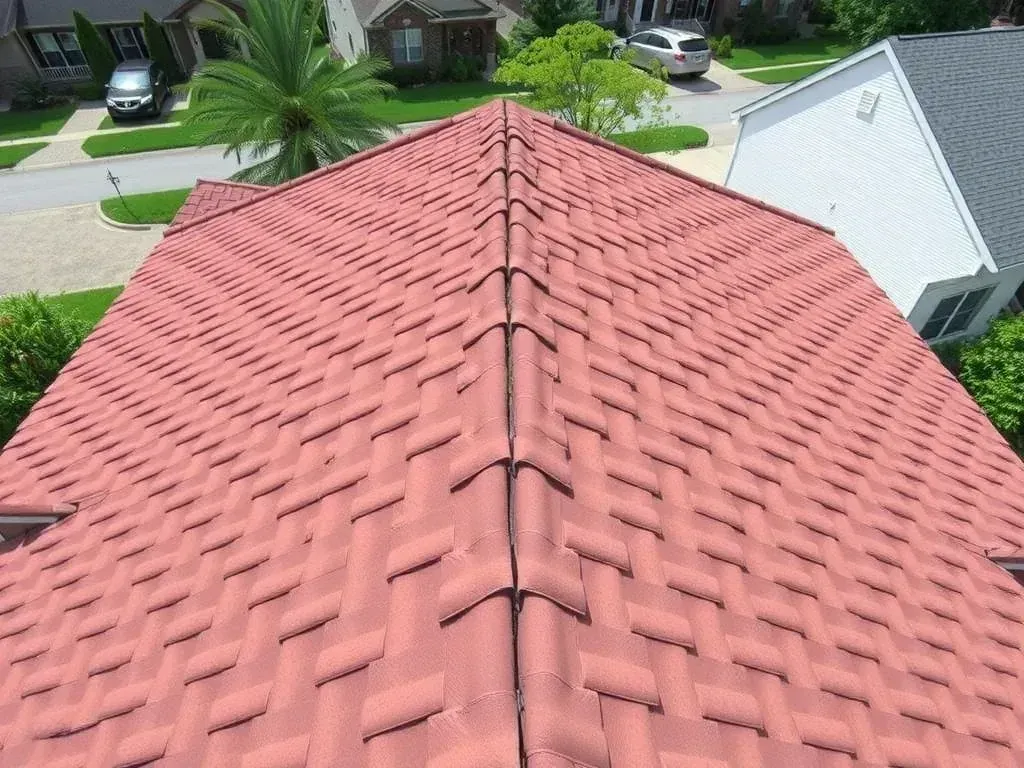
- Asphalt shingles: We check three-tab shingle fields, architectural shingle fields, and older asphalt shingle roofs for granule loss, cracked tabs, and end-of-life wear.
- Wood, tile, and slate: Wood shake and cedar shake split and curl, while slate, clay tile, and concrete tile crack and spall; we note which pieces can be relayed instead of replaced.
- Metal: A metal panel, standing-seam panel, or corrugated panel gets checked at every lap and fastener, since a low pitch lets water sit against a seam.
- Low-slope systems: TPO, EPDM, and PVC membrane roofs are checked for seam separation, and a built-up roof or modified bitumen surface is probed for ponding and blisters.
- Underlayment: Synthetic underlayment, roofing felt, and tar paper age at different rates, and the ice-and-water shield at the eave is the last defense once felt starts to flake and let water wick into the deck.
Flashing, Ventilation, and Drainage
Most leaks we find on Denver homes were never a shingle problem. Water gets in at the flashing, then travels along a rafter until it stains a ceiling somewhere else.
Ventilation matters just as much, because a sealed, hot attic cooks the underside of the roof deck all summer and shortens the life of everything above it.
- Chimney flashing and counter-flashing are checked where masonry meets shingles, including any mastic or roof cement smeared over a failed apron flashing.
- A pipe boot or vent boot gets checked for cracked rubber, and boot flashing at a plumbing stack is the most common source of a slow drip we find.
- Step flashing and drip edge are inspected along sidewalls and eaves, along with the rake, the verge, and the valley where two planes meet.
- Ridge cap, hip, and gable details are checked for wind uplift, and an overhang on a low-pitch section gets extra attention.
- Ventilation is measured at the ridge vent, soffit vent, and attic fan, and we note whether insulation or a vapor barrier is blocking airflow at the soffit.
- Gutter and downspout runs are checked for granule buildup, plus fascia and soffit for rot, sag, or peeling paint that points to water sitting behind them.
- Sudden temperature swings in February build ice dams at the eave, and water behind an ice dam wicks up the sheathing into the insulation above your ceiling.
Tools, Substrate, and What Most Inspections Skip
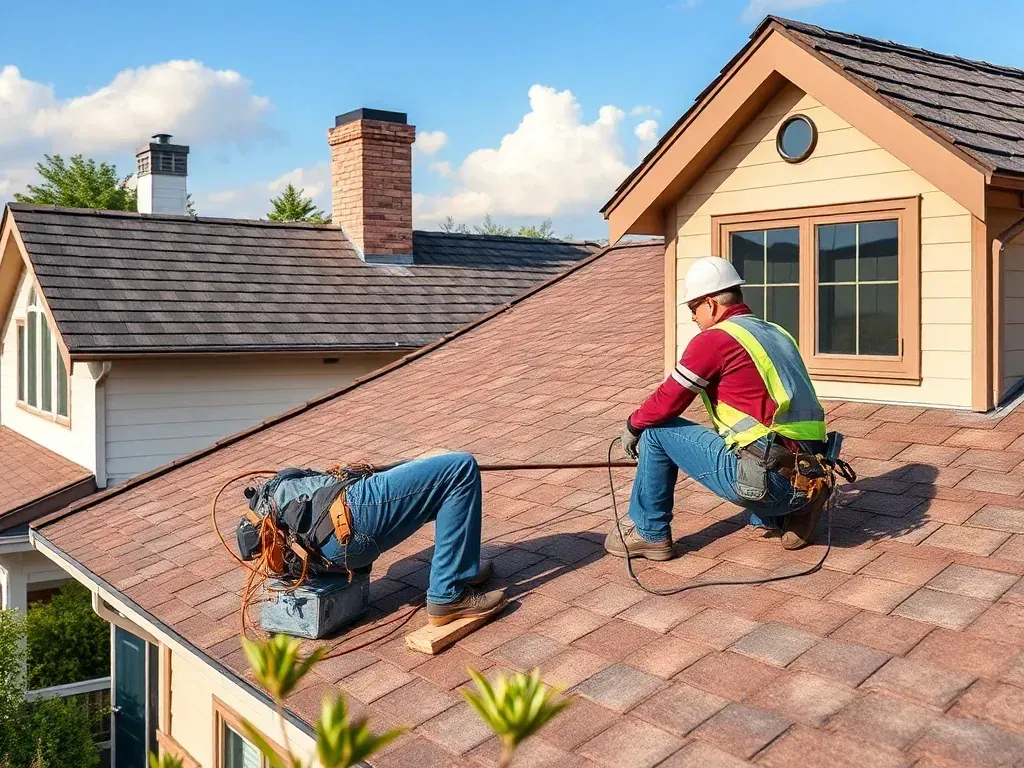
Half the value of a visit is knowing where to set the ladder and what to carry up it. We bring a scaffold for tall walls, a safety harness anchored at the ridge, a roofing square, and a nail gun with an air compressor.
A pry bar and roofing shovel let us lift a shingle for a look underneath, a torch handles modified bitumen details, and a sealant or caulk gun closes small gaps before we leave. Debris goes in the dumpster, never the gutter.
Underneath, we care about the skeleton: truss, rafter, joist, and ridge beam condition, plus the substrate and decking. A backed-out screw or nail becomes a fastener problem across a whole field course.
On a metal roof we check the purlin, batten, and counterbatten system, and on any roof we look at waterproofing under a deck and weatherproofing where a chimney or parapet meets the field. An adhesive or coating that has flaked off gets noted.
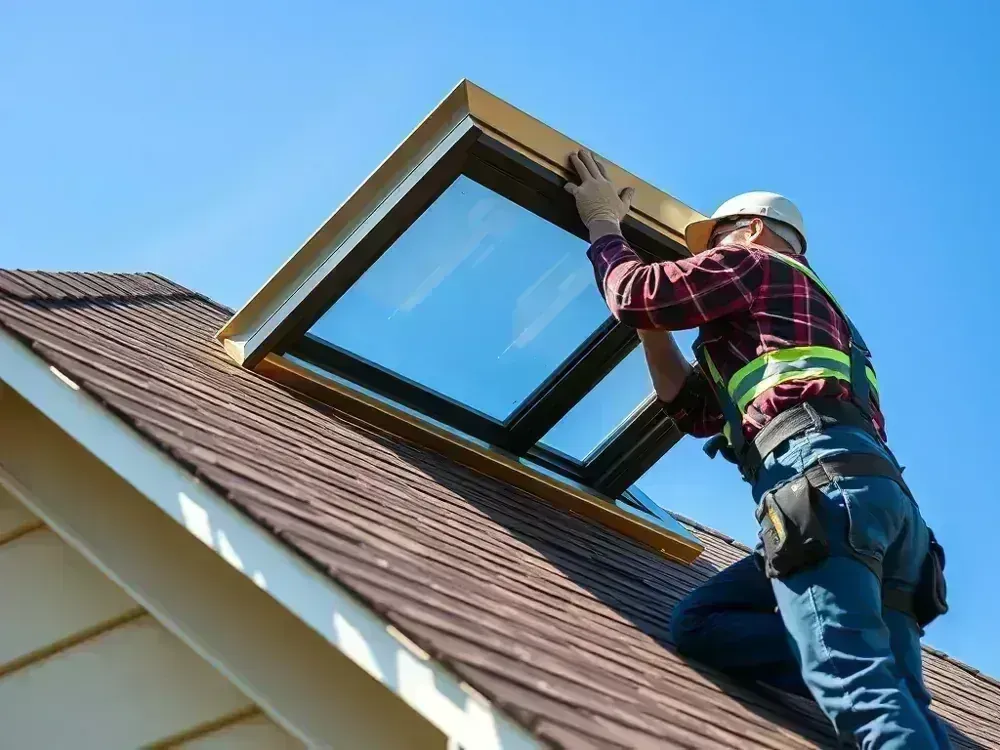
We also look at details that are easy to forget: a skylight curb, a dormer wall, the parapet and scupper on a low-slope section, and snow guard placement above a walkway.
A canopy or awning that sheds onto the same spot every spring gets flagged, and a mansard or gambrel roofline is inspected plane by plane because each pitch fails differently.
Our Roof Inspection Process
We start with a phone call to learn the age of the house, the last storm date, and whether you are buying, selling, or staying.
- A ladder goes up and the safety harness anchors at the ridge before anyone walks the field course.
- Every soft spot gets read with a moisture meter and marked on a plan of the roof.
- An infrared scan runs across the attic ceiling on a cold morning, which finds wet insulation a visual look would miss.
- Drone imagery covers steep pitches, tall chimneys, and any slope judged unsafe to walk after a freeze.
- We photograph decking and sheathing, and note rot, decay, sag, or a softened sheet of plywood or OSB.
- You receive a written report with photo evidence, a repair list ranked by severity, and roofing square counts for anything that needs a roof estimate.
A roofer who never opens the attic is guessing at half the roof, so we go inside whenever the hatch allows it.
What an Inspection Costs in Denver
Most single-family assessments here run between $250 and $600, depending on roof size, pitch, and how many systems sit on the rooftop. A walk-and-report on a 1,500-square-foot ranch lands at the low end.
A multi-plane roof with skylights, a chimney, and a steep pitch takes longer. We credit the fee toward repair or replacement work when you hire us.
Warranty, Insurance, and Building Code
Your report is the document an insurance adjuster and a manufacturer both ask for. We follow a claim from adjuster inspection through the line-item estimate and insurance scope, and we track the claim deadline and storm date so a covered repair does not expire.
If a proof of loss form is required, the photo evidence behind it is already in your file. When we do the work, materials carry the manufacturer coverage and our labor carries a written workmanship warranty.
We also flag anything that no longer meets current building code, including ventilation ratios and deck attachment, because a repair that ignores code turns into a problem at resale.
Why Homeowners Choose Denver Roofing Team
Because the report is honest. If your roof has five good years left, we say so and leave you a maintenance list instead of a replacement quote.
If hail opened a field of bruised shingle, we say that too and show you the photograph. We are licensed & insured, and when a carrier wants a certified evaluation we bring in HAAG- or IICRC-certified inspectors.
As a licensed roofing contractor, we keep the assessment separate from the roof estimate so you can compare them side by side. Call 720-784-0657 to set a time.
Signs You Need Roof Inspection
You Are Buying or Selling a House
A pre-purchase assessment tells you what you are actually buying, not what the listing photos suggest. Buyer and seller get the same written report with photo evidence, so the repair list becomes a negotiation item instead of a closing-day surprise.
Marble-Sized Hail Came Through
Hail bruises the mat under an asphalt shingle in a way that will not show up as a leak for two or three winters. We document the strike marks and the storm date now, while the claim window is still open.
The Temperature Swung Forty Degrees
Denver swings from a warm afternoon to a hard freeze overnight, which builds ice dams at the eave and drives meltwater under the shingles. Our inspectors look for the staining that shows up on the attic side first.
The Roof Is Past Fifteen Years
End-of-life wear on a shingle roof shows up as granules in the gutter long before a leak appears inside. An annual walk keeps the timeline honest so you can budget for the work instead of reacting to it.
Your Carrier Asked for Documentation
After a storm, an insurance carrier wants photos, measurements, and an adjuster inspection trail rather than a verbal opinion. Our report is written to sit inside an insurance scope.
Something Stained a Ceiling
A ceiling stain usually means water traveled along a rafter from a failure somewhere else on the roof. Moisture meter and infrared readings trace where it actually started, which is rarely directly above the stain.
What's Included
- ✓ Drone imagery over steep pitches and tall chimneys, so no slope is judged from the ground.
- ✓ Moisture meter readings at every soft spot on the decking, recorded on the report.
- ✓ Infrared scan of the attic ceiling where conditions allow, to find wet insulation a visual look would miss.
- ✓ A written report with photo evidence of each defect, dated and ranked by severity.
- ✓ Repair recommendations prioritized by severity, with roofing square counts for anything that needs a roof estimate.
- ✓ Ventilation check at the ridge vent, soffit vent, and attic fan, plus gutter and downspout flow.
- ✓ A licensed & insured crew on site, and a written workmanship warranty on any repair we perform.
Related Services
Ready to get started? Call us today at 7207840657 for a free estimate.
☎ Call 7207840657