What Commercial Roofing Involves
A low-slope roof is an assembly, not a surface. It sheds water through drains, scuppers, and seams instead of steep pitch, so the membrane, insulation, and flashing have to work as one system.
- TPO membrane is a heat-welded single-ply sheet, installed mechanically attached or ballasted, with a white surface that reflects high-altitude sun.
- EPDM is a rubber membrane that handles rooftop foot traffic and service calls around HVAC equipment better than thin-gauge sheets.
- PVC membrane resists grease and kitchen exhaust, which is why it belongs over restaurants and commercial kitchens.
- Modified bitumen is an asphalt sheet reinforced with polyester or fiberglass, applied by torch or set self-adhered.
- Built-up roof, or BUR (still called tar and gravel on older buildings), alternates layers of bitumen and roofing felt or tar paper for redundancy against hail strikes.
- Metal panel and standing-seam panel systems shed snow and hold up to UV with very few through-fasteners to leak.
- Coating systems extend a sound membrane by several years instead of tearing off a roof that still has life in it.
Beneath all of it sits the roof deck: plywood, OSB, or poured gypsum over purlins, battens, and counterbattens, plus rigid insulation and a vapor barrier that control condensation in a heated building.
Signs the Roof Is Failing Before Next Winter
Denver hailstorms with marble-sized hail and intense UV at altitude do their damage quietly. Most failures we open up began a season or two earlier, and the evidence usually sits in plain sight on the rooftop.
- Ponding water still sitting 48 hours after rain points to a settled deck, a blocked scupper, or a drain line pitched the wrong way.
- Membrane seam separation along the lap, where the adhesive or heat weld has begun to peel open.
- Blistering and alligatoring, where the surface oxidizes, chalks, and flakes under a boot heel.
- Flashing pull-away at the parapet, where counter-flashing has separated and water wicks behind the wall.
- Ballast displacement after a wind event, with stone pushed to the verge or blown off the building entirely.
- Interior staining at column lines, which tells us water is traveling along the deck before it drips through.
- Granule loss and exposed bitumen on modified bitumen caps, a marker of end-of-life wear.
- Rotted fascia and soffit at the eave, where ice dams push meltwater backward under the drip edge.
Our Roof Asset Survey and Installation Process
We start with a roof asset survey rather than a sales walk. We core a sample when the assembly is unknown, then photograph the drainage, penetrations, and parapet conditions and price the work from what we actually find.
- Survey and core samples identify each layer of the assembly, so nobody guesses at the substrate under the membrane.
- Specification review matches the system to the Denver building code and to the manufacturer's published requirements.
- A written roof estimate breaks out field, insulation, flashing, and deck repair as separate line items.
- Tenant notification coordinates crane staging, dumpster placement, and quiet hours with property managers before mobilization.
- Tear-off strips to the deck where moisture shows, while recover or overlay is used where code allows a second layer.
- Deck repair replaces rotted sheathing and decking, sagging panels, and corroded nails and screws before anything new covers them.
- Insulation and membrane go down in staggered courses with sealed laps and heat-welded or adhesive-set seams.
- Flashing, coping, and edge metal are set at the parapet, curbs, and scuppers, and crews work from scaffold or ladder tied off to an anchor with a safety harness.
- Final walk, debris haul-off, and warranty registration with the manufacturer close out the job.
Roof Details That Decide Whether the Job Holds
Waterproofing the field is half the job. Weatherproofing the transitions is what keeps a building dry through a spring melt.
- Step flashing and counter-flashing seal the transition where a low roof meets a wall, a chimney, or a dormer.
- Pipe flashing and a pipe boot close around plumbing vents, apron flashing closes at a headwall, and vent boots seal exhaust stacks.
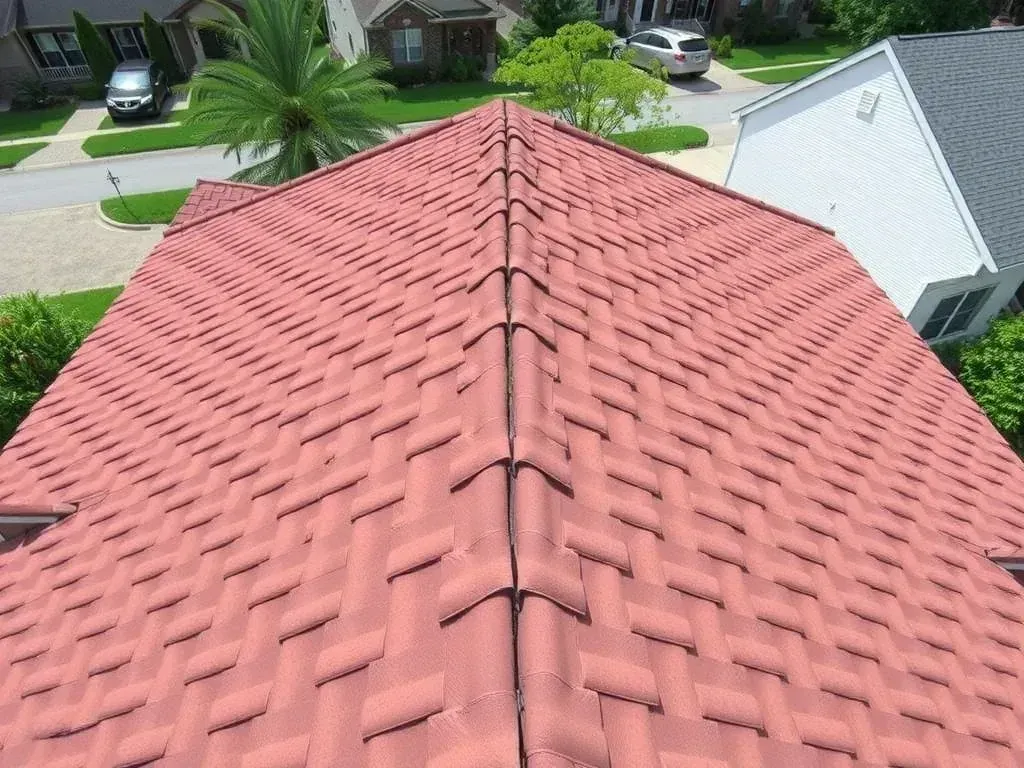
- Ridge, ridge cap, ridge vent, and valley treatment handle the steep-slope sections some buildings still carry.
- Gutter and downspout sizing matters on a large roof, because undersized leaders back water up under the eave.
- A snow guard keeps sliding snow from shearing off a metal panel or mansard above a sidewalk.
- Skylight curbs, awning attachments, and canopy frames need a flashing bead set in mastic or roof cement, not caulk alone.
- An attic fan or soffit vent supports ventilation under the deck, which owners rarely think about until the sheathing rots.
Mixed rooflines are common here, and some blocks carry a mansard or gambrel profile above the storefront. On porch roofs and historic storefronts we handle asphalt shingle, architectural shingle, and three-tab shingle, plus wood shake, cedar shake, slate, clay tile, and concrete tile where original detail is protected.
Each of those systems needs the right underlayment: synthetic underlayment in the field, and an ice-and-water shield along the eave where ice dams form first.
A drip edge nailed correctly at the rake and eave keeps water out of the fascia and soffit. Above the ceiling, the deck ties into trusses, rafters, joists, and a ridge beam; on a hip or gable section we check for sag and settle before adding weight.
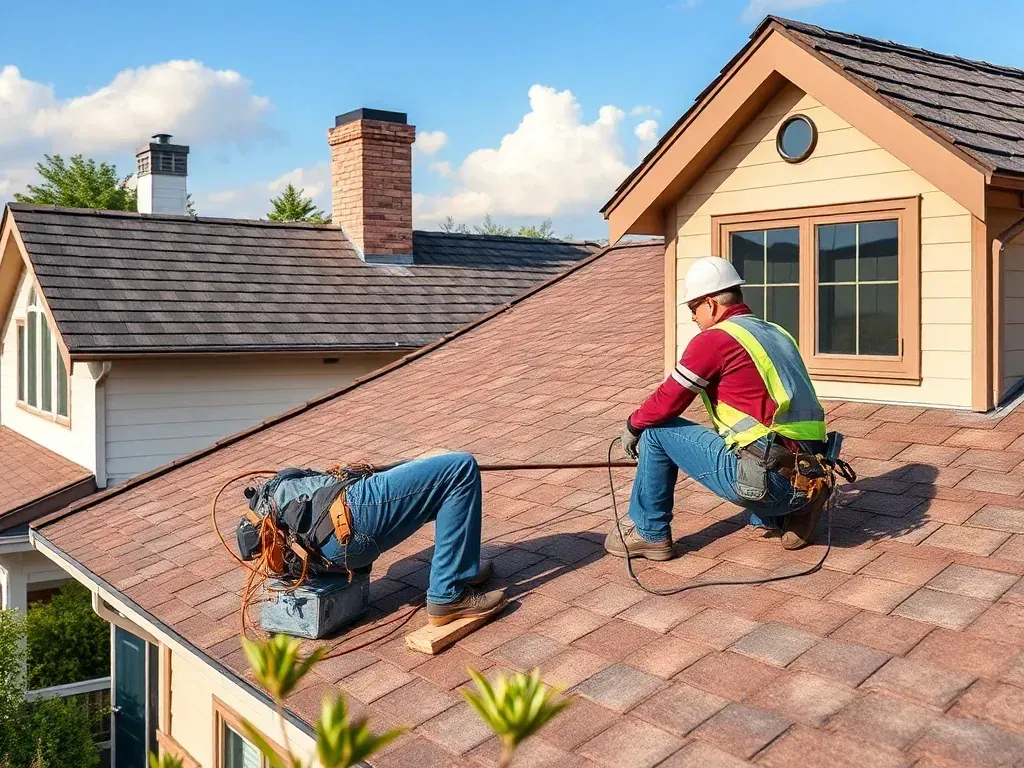
Crews tear off with a roofing shovel and pry bar, then run nail guns off a rooftop air compressor and cut membrane against a roofing square.
Sealant, caulk, and adhesive get applied at every lap and termination. A torch is used only on modified bitumen, and only where the specification calls for it.
What Low-Slope Work Costs in Denver
Commercial work is priced per square foot, and the number depends on system, access, and how much deck repair is hiding under the existing membrane. A written estimate is the only number worth planning around.
- Coating a sound membrane typically runs $2 to $5 per square foot, including surface prep, primer, and a reinforcing fabric at the details.
- TPO or PVC single-ply, mechanically attached, generally lands between $8 and $14 per square foot with new insulation.
- EPDM with ballast sits near that same band, with ballast hauling and a structural load review adding to the total.
- Modified bitumen in two plies runs higher on a full tear-off and lower over a clean recover.
- Deck repair in plywood or OSB is priced per sheet, and dumpster staging plus roof access adds labor.
- After-hours and emergency work carries a premium, and crane or scaffold time bills separately.
A roof inspection before storm season costs far less than an emergency repair. Call 7207840657 and we will price the scope in writing.
Warranty, Insurance, and Code Compliance
Manufacturer warranty terms on low-slope systems run from 15 to 30 years on a no-dollar-limit basis, and that coverage depends on installation matching the published specification. As a licensed and insured roofing contractor, we register the assembly we actually built.
Carlisle SynTec, GAF EverGuard, Firestone, Johns Manville, and Versico each publish their own requirements, and we build to the one we are registering.
- Hail and wind damage is usually covered by your property policy, so we document the storm date, damage, and dimensions for the adjuster.
- We meet the adjuster on the rooftop, walk the damage together, and supply the line-item estimate and photos a carrier needs.
- When a carrier's scope misses code-required items, we file a supplemental claim rather than leaving the work incomplete.
- Denver building code items like insulation R-value and edge metal specs often appear on the adjuster's scope only after we document them.
- We carry the certificates your property manager needs before crews mobilize, and we hand over the proof of loss paperwork with the file.
Why Choose Denver Roofing Team for Commercial Roofing in Denver?
Denver sits at 5,280 feet, so UV intensity breaks down membrane surfaces faster than at sea level, and sudden temperature swings open seams and drive meltwater into ice dams at the eave.
Hail season here is severe. The storms of 2017 caused more than $2 billion in insured damage across the metro, and buildings with ballasted or mechanically attached systems took the worst of it.
We work on mid-century brick blocks, warehouse conversions, and mixed-use storefronts across Denver County. Every roofer on the crew is tied off to an anchor, and our scopes are written to survive another winter, not just to pass one inspection.
Call 7207840657 to schedule a roof asset survey and get a written, line-item estimate before you commit to anything.
Signs You Need Commercial Roofing
Ponding Water After the Storm
Water still sitting 48 hours after rain points to a settled deck, a blocked scupper, or a drain line pitched the wrong way. Denver hail strips granules and leaf debris into roof drains, so we pull every strainer on the survey.
Seams Opening Along the Lap
Membrane seam separation starts as a small lift where the adhesive or heat weld lets go. UV at 5,280 feet accelerates that breakdown on TPO and EPDM alike, and an open lap is the most common leak path we repair.
Blistering and Alligatoring
A surface that has oxidized into alligatoring will flake and chalk under a boot heel. Once the bitumen is exposed, hail strikes punch deeper into modified bitumen cap sheets than they would on a sound surface.
Flashing Pulling Away at the Parapet
Counter-flashing that has separated lets water wick behind the wall and into the roof deck. Freeze-thaw swings open those joints every winter, and the interior stain often appears a floor below the actual breach.
Displaced Ballast After Wind
Ballast stone pushed to the verge or blown off the building leaves the membrane exposed to UV and hail. Wind events along the Front Range sort ballast by size, so we check edges, corners, and curb lines first.
Interior Staining at Column Lines
Stains that follow a column line tell us water is traveling along the deck before it drips through. That pattern usually means a field seam or a penetration is leaking, not the ceiling above the stain.
What's Included
- ✓ Roof asset survey with rooftop photography and core samples where the assembly is unknown
- ✓ Written condition report covering membrane, insulation, roof deck, and parapet conditions
- ✓ Drainage analysis of scuppers, drains, and gutter and downspout sizing
- ✓ Manufacturer specification written to the system we install, with NDL warranty enrollment
- ✓ Tenant notification coordination for crane staging, dumpster placement, and work hours
- ✓ ASTM moisture and adhesion testing where a coating or recover is under consideration
- ✓ Line-item roof estimate separating field work, flashing, and deck repair
Related Services
Ready to get started? Call us today at 7207840657 for a free estimate.
☎ Call 7207840657